Blog · August 5, 2026
How to Make Print-on-Demand Mockups That Don’t Look Like Print-on-Demand
Short answer
Print-on-demand mockups look generic because every seller uses the same built-in template photos — same blank, same model, same pose. To make yours look like a real brand, generate images from your own product instead: order a sample, photograph it flat, and use an AI mockup app like Mockup Tool to create on-model shots from that photo. The images come out unique to your store and match what you actually ship.
Print-on-demand made starting a clothing brand easy, and in doing so it made every clothing brand look the same. The built-in mockup generators hand every seller the identical stock photos, so a shopper scrolling a marketplace sees the same blank shirt on the same model in listing after listing. That sameness is a signal — it reads as “generic drop-shipped merch,” and it quietly caps what you can charge. Here’s how to keep print-on-demand fulfillment while making your photos look like a real brand’s.
Why POD mockups look like POD
The tells are consistent, and once you see them you can’t unsee them:
- The same few blank garments and models appear across thousands of shops.
- The graphic looks pasted on — flat, too crisp, not following the fabric’s folds.
- Poses and backgrounds are identical because they come from one template set.
- The garment in the photo isn’t the one you sell, so fit and fabric can be off.
None of that is a printing problem — it’s a photo problem. Your fulfillment can stay exactly the same; only the images need to change.
The one fix: generate from your own product
Instead of pasting your design onto a shared template, start from your actual product. Order a sample of your design — you should see what customers receive anyway — photograph it laid flat, and use an AI mockup app like Mockup Tool to generate on-model images from that photo, in about 15 seconds on iPhone at 4K. Because the mockup is built from your real garment, the print placement and fabric are accurate, and the image is unique to your store because it started from your product. It’s the same engine as our free mockup generator, pointed at your shirt instead of a stock blank.
Make the graphic sit on the fabric, not float
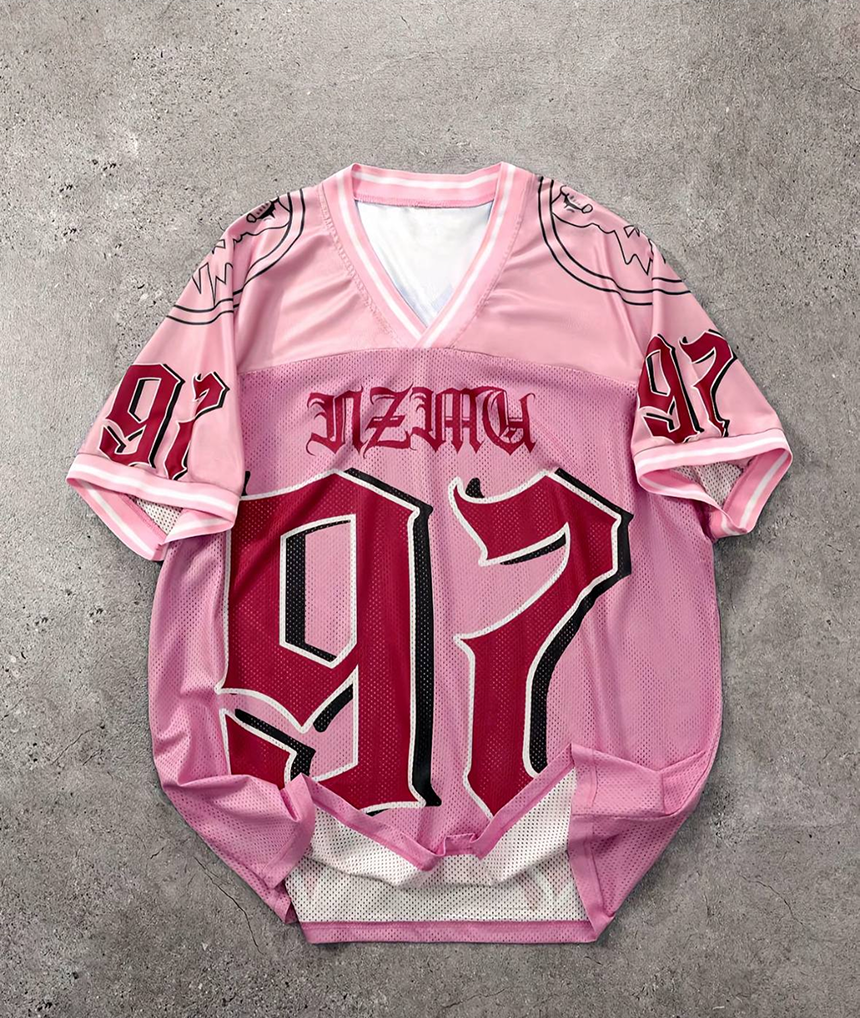
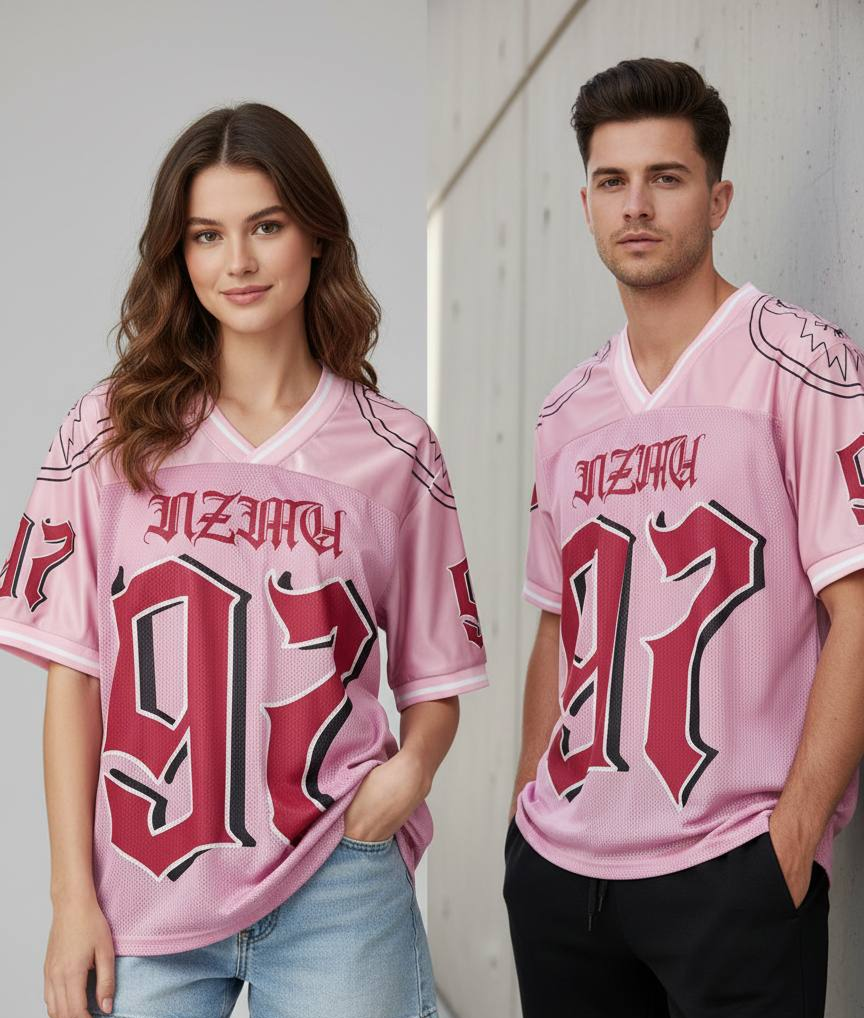
The fastest giveaway of a template mockup is a design that floats above the shirt — perfectly flat, ignoring every fold. Real photography wraps the print around the fabric’s drape and texture, and a mockup generated from your own garment photo inherits that instead of compositing a flat layer on top. That single detail is most of what separates “looks printed on demand” from “looks like a photo.”
Drag the handle to compare a flat template look with an image generated from a real garment:
Vary models and scenes so it reads like a shoot
A real brand’s listing has range — different models, angles, and backgrounds. Template mockups give you one look repeated. Generate several variations of each design across different models and settings so the set reads like a campaign, not a single stock frame. It also lets you match the model and vibe to your audience instead of whatever the template happened to use.
Keep it consistent across your catalog
Uniqueness per listing matters, but consistency across listings is what reads as a brand. Use the same lighting, background style, and model direction across your whole catalog so a shopper who lands on one product recognizes the rest as yours. Template libraries can’t give you that, because everyone draws from the same pool — a set generated from your own products can.
Print-on-demand isn’t the reason your store looks generic; the stock mockups are. Keep the fulfillment, swap the photos for ones built from your actual garment, and the same products start looking like a brand worth paying more for.
Frequently Asked Questions
Why do all my print-on-demand mockups look the same as other shops?
Because POD platforms give every seller the same built-in template photos — the same blank garments, models, and poses. When thousands of shops use identical images, listings blend together and compete on price.
How do I make POD mockups look professional and unique?
Generate images from your own product: order a sample, photograph it flat, and use an AI mockup app like Mockup Tool to create on-model shots from that photo. The results are unique to your store and match your real garment, unlike shared templates.
Can I still use print-on-demand if I do this?
Yes. This changes only your photos, not your fulfillment. Keep printing and shipping on demand; just generate your listing images from a sample of your own product instead of using the stock mockups.
Do unique mockups actually help sales?
They give shoppers a reason to click and stop the race-to-the-bottom on price that identical listings create. A photo no competitor can reproduce — because it started from your garment — is one of the cheapest edges on a crowded marketplace.