Blog · September 14, 2026
T-Shirt Design Ideas for 2026
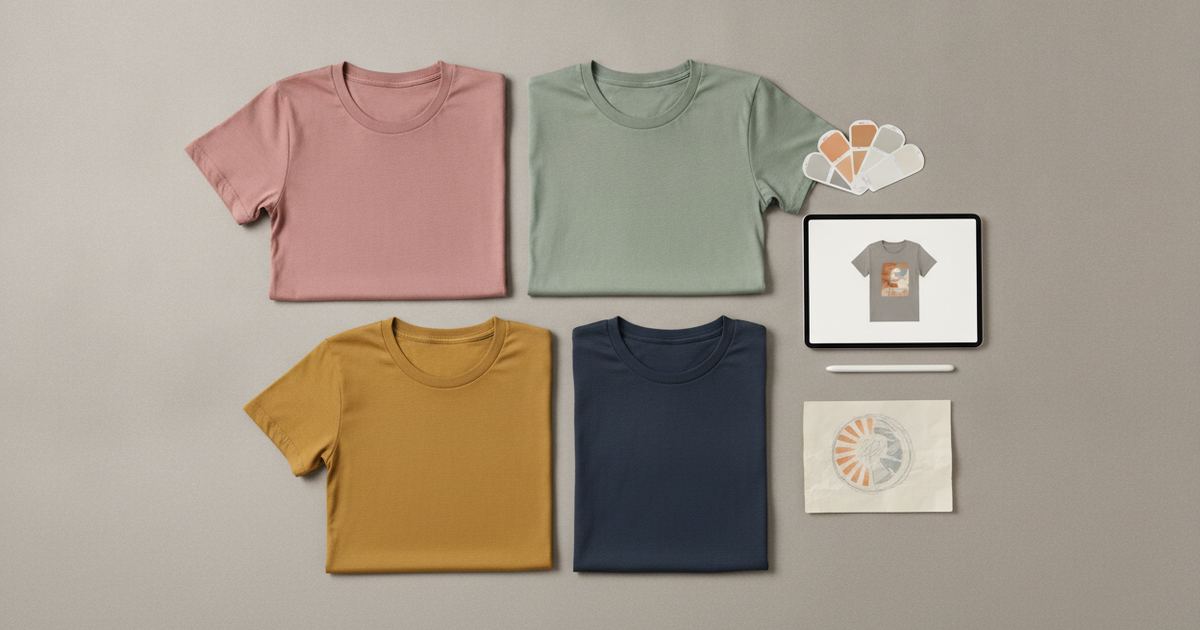
Short answer
The strongest t-shirt design directions for 2026 are minimalist type, oversized back prints, photo and blur prints, retro/varsity, single-line art, nature and outdoor motifs, duotone gradients, and local or niche-community themes. The move that separates a good idea from a good product is previewing each on a real shirt — an on-model mockup — before you pay for a print run.
Design ideas are easy to collect and hard to judge. A concept that looks sharp in your design app can fall flat on an actual shirt — the scale is off, the placement fights the fabric, the color reads differently on cotton. So this list does two things: it gives you ten directions worth trying in 2026, and it shows the step most idea lists skip — seeing each one on a real shirt before you commit. That preview is what turns an idea into a product.
Ten directions worth trying
- Minimalist type: one word or short phrase, strong typography, lots of blank shirt. Cheap to print, high resale.
- Oversized back prints: the front stays clean, the back carries a large graphic — a streetwear staple that keeps selling.
- Photo and blur prints: a photographic image treated with motion blur or halftone for an editorial feel.
- Retro / varsity: collegiate lettering, 70s color palettes, distressed textures — nostalgia is durable demand.
- Single-line art: one continuous line forming a face, figure, or object. Clean, modern, prints beautifully.
- Nature and outdoor motifs: mountains, flora, and topography for the outdoor and travel crowd.
- Duotone gradients: two-color blends that feel current without needing full-color printing.
- Local and regional pride: city, region, or landmark themes that sell to a specific community.
- Niche-community humor: inside jokes for a hobby or profession — small audience, high conversion.
- Anti-design / DIY: intentionally raw, handmade type and layouts that read as authentic, not corporate.
Why previewing matters more than the idea
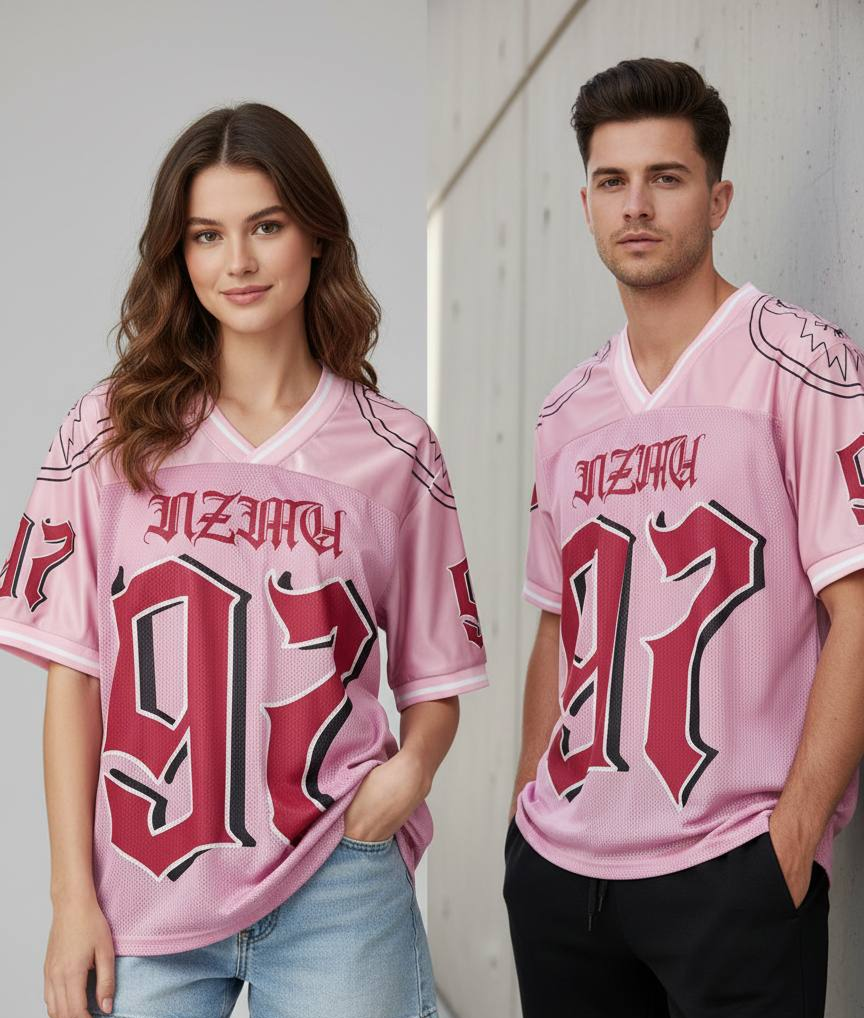
Every one of those directions can succeed or fail on execution, and the flat design file won’t tell you which. Print scale is the usual killer — a graphic that looks bold on screen often prints small and timid, or huge and overwhelming. Seeing the design on a body, at the size it will actually print, catches that before it costs you a batch of shirts. It also gives you the listing photo, which you need anyway.
How to preview a design on a real shirt
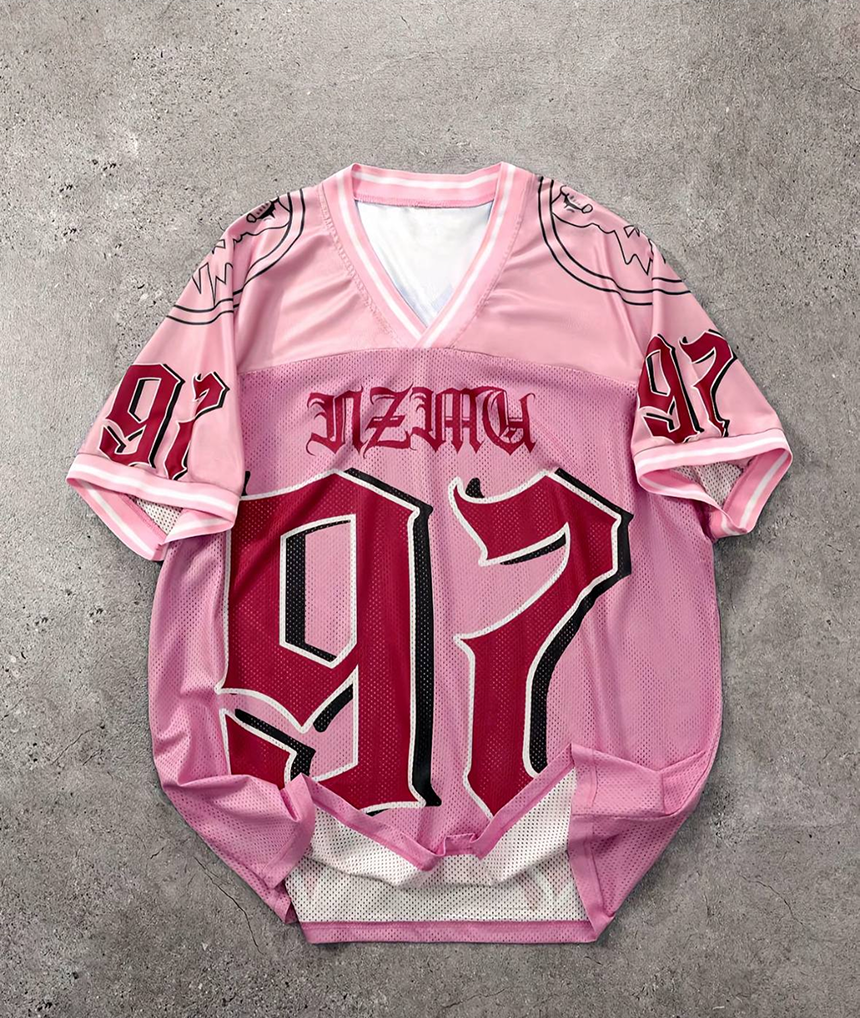
You don’t need a sample or a photoshoot to test placement. Put your design on a blank tee, photograph it flat, and use Mockup Tool to generate an on-model image — the design shown at real scale on a body, in about 15 seconds at 4K. If you’re still shaping the graphic, its brush and text tools let you adjust type and artwork directly on the garment first. Compare a few placements and sizes, pick the one that carries, then print. Start with the AI t-shirt designer, or preview a finished design with the free mockup generator.
Turning ideas into a collection
Once a direction works, the fastest way to build a line is to run several variations through the same preview: different colorways, placements, or phrases on the same blank, all generated in one consistent style. That gives you a cohesive set of listing images and a clear read on which designs deserve a print run — before any money goes to the printer. See how a full mockup set comes together on the t-shirt mockup page.
Frequently Asked Questions
What t-shirt designs are trending for 2026?
Minimalist typography, oversized back prints, photo/blur prints, retro and varsity styles, single-line art, nature motifs, duotone gradients, and local or niche-community themes are all strong directions for 2026. Execution and print scale matter as much as the idea.
How do I know if a t-shirt design will actually look good?
Preview it on a real shirt at the size it will print. A design file can’t show print scale or how the color reads on fabric — an on-model mockup can. Mockup Tool generates that from a flat photo in about 15 seconds, so you catch scale problems before printing.
Do I need to print samples to test a design?
No. You can put the design on a blank, photograph it flat, and generate an on-model preview with an AI mockup generator. That lets you compare placements and sizes without paying for sample prints first.
How do I design the t-shirt itself?
Mockup Tool includes brush and text tools to place typography and artwork directly on the garment, and you can preview the result on a model. It builds the mockup from your real shirt, so what you see is your design at true scale.