Blog · July 20, 2026
Polo Shirt Mockups: The Complete Guide
Short answer
The fastest way to get a realistic polo shirt mockup is to photograph your real polo laid flat and let an AI generator like Mockup Tool put it on a model — collar, placket, and embroidery stay true to the product. Template mockups work for quick drafts, but they struggle with exactly the structural details polo buyers inspect.
A t-shirt is basically a printable rectangle, which is why every mockup tool handles tees well. A polo isn’t. It has a structured collar that should stand, a buttoned placket that should lie flat, ribbed cuffs, and usually a small embroidered logo whose position matters a lot. Those are precisely the details that generic mockups get wrong — and precisely the details polo buyers look at before purchasing.
What buyers actually check in a polo photo
- Collar: does it stand cleanly or flop? A collapsed collar reads as cheap fabric.
- Placket: do the buttons sit flat, or does the placket gape and warp?
- Logo: chest embroidery should sit above the pocket line, sized believably.
- Fabric: piqué texture is the polo signature — smooth “t-shirt skin” looks fake.
- Fit: polos are worn tucked and untucked; the hem and side vents should read clearly.
This matters double in B2B. Uniform suppliers and embroidery shops send polo previews to clients for approval, and a preview with a warped collar or misplaced logo costs a revision round — or the order.
Option 1: template mockups
Template libraries (Placeit, Canva and the POD built-ins) give you a stock polo photo with a placement zone for your design. They’re quick and fine for testing an idea. The trade-offs: the polo in the photo isn’t yours, the collar and placket belong to whatever blank they shot, piqué texture is often missing, and thousands of other sellers use the same image. For a garment bought on structure, that’s a real handicap.
Option 2: AI mockups generated from your real polo
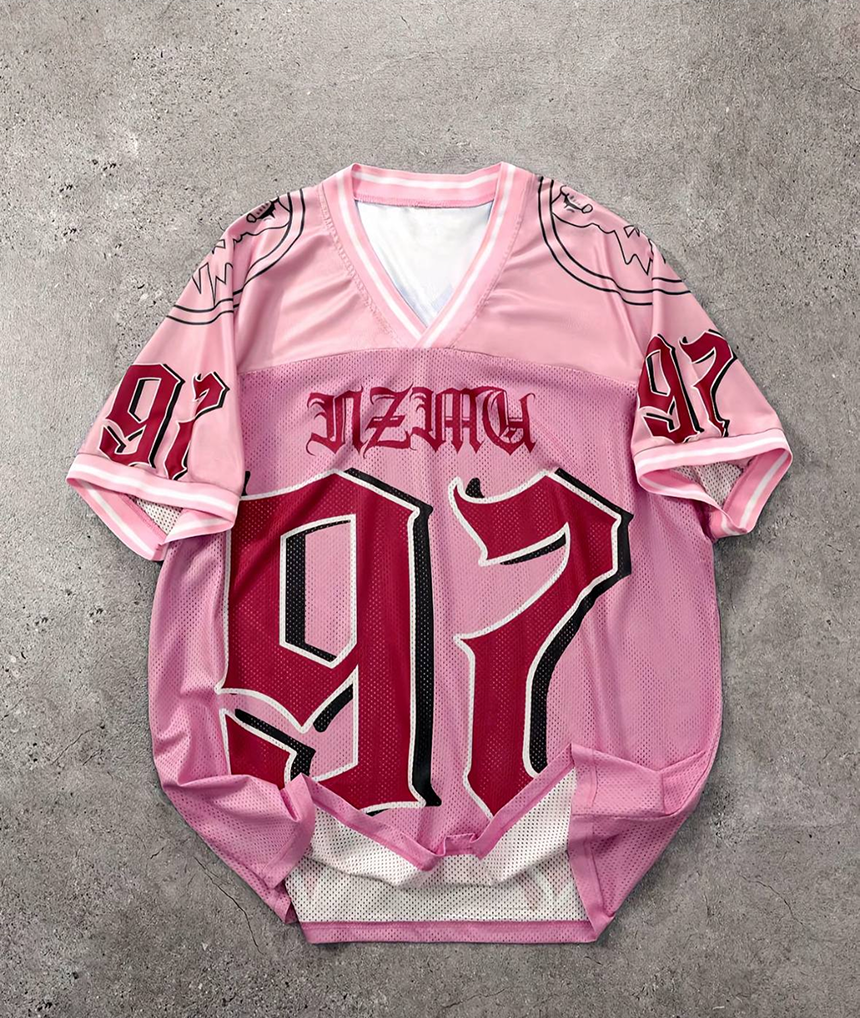
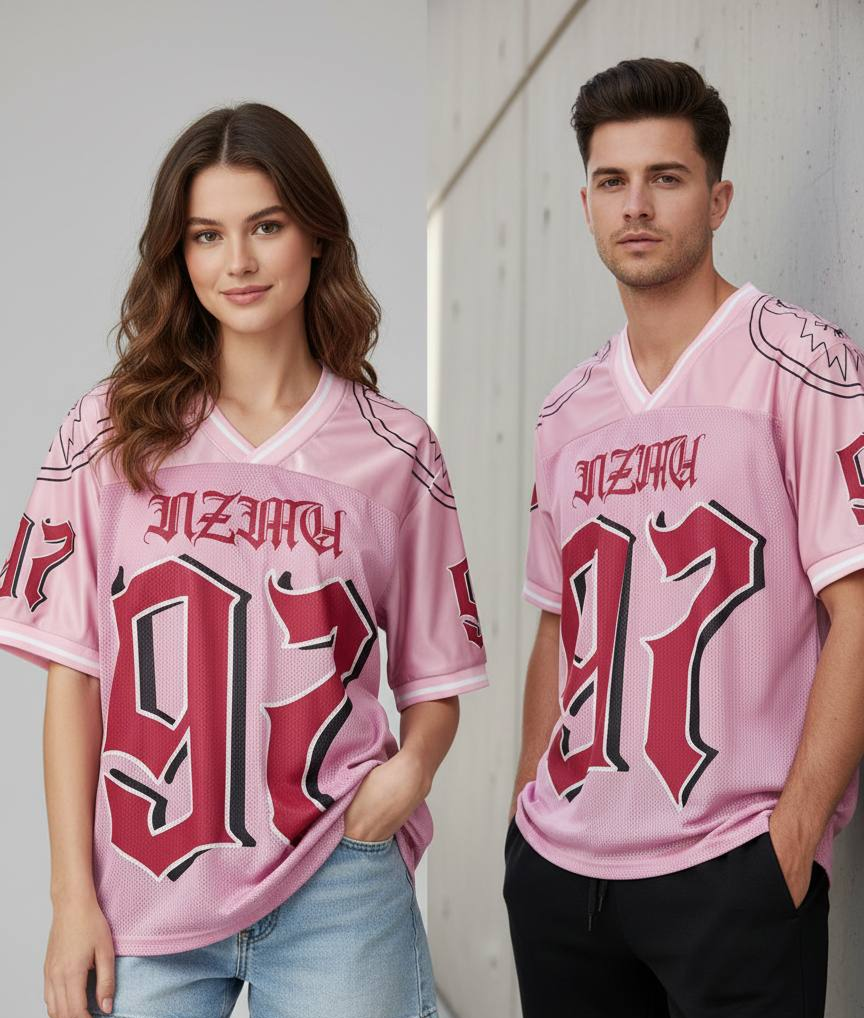
The alternative flips the process: instead of pasting a design onto a stock photo, you photograph your actual polo laid flat, and the AI generates a model wearing that exact garment. Mockup Tool does this on iOS in about 15 seconds per image. Because the mockup derives from your photo, the collar shape, placket, cuff ribbing, and embroidered logo all carry over as they really are — and the result is unique to your store.
Drag the handle to see what that difference looks like in practice:
How to photograph a polo for a clean AI mockup
- Button the placket fully and smooth it flat — the AI reproduces what it sees.
- Shape the collar before shooting: fold it the way it should sit when worn.
- Lay sleeves slightly away from the body so the cuff ribbing stays visible.
- Keep the chest logo unobstructed and in frame — it anchors the print placement.
- Shoot straight down in soft window light, with margin around the garment.
The general flat-lay rules apply too; our photo guide covers lighting, backgrounds, and the common failure modes in detail.
Who gets the most out of polo mockups
Embroidery shops preview client logos on the finished polo the same day the sample is stitched. Corporate uniform suppliers build proposals with on-model shots instead of flat samples. Golf and country-club brands generate consistent color grids — photograph each colorway flat once, generate matching model shots for the whole range. In each case the economics are the same: one phone photo replaces a product shoot.
Frequently Asked Questions
Is there a free polo shirt mockup generator?
Mockup Tool is free to download on iOS, and you can generate polo mockups from your own photos before upgrading. Template sites also offer free polo templates, but they use stock garments rather than yours.
Will the collar and placket look accurate in an AI mockup?
Yes — that’s the main advantage over templates. The AI generates the garment from your photo, so structural details like the collar stand and buttoned placket match your real product.
Can I preview embroidered logos on a polo before production?
Yes. Photograph the stitched sample flat and generate an on-model preview; embroidery position and size carry over from the photo. Shops use this for client approvals.
How do I show one polo in multiple colors?
Photograph each colorway flat and generate mockups with the same model style and background. The set reads as one consistent photoshoot, which is exactly what a store color grid needs.